
 Mediaeye News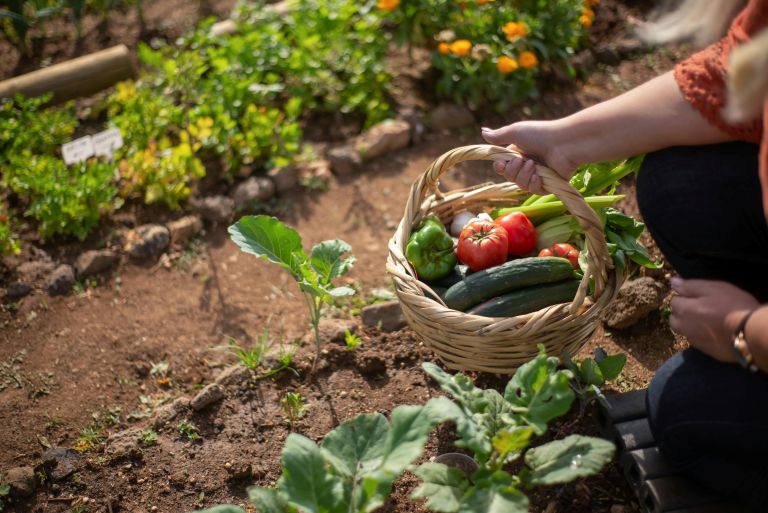
Mumbai: As the world becomes increasingly aware of the health and environmental impacts of chemical-based agriculture, organic farming has emerged as a powerful alternative. In India, where agriculture sustains millions, the shift towards organic methods is not just a trend; it is a return to a sustainable, time-tested way of life. Organic farming emphasises harmony with nature, focusing on soil health, biodiversity, and human well-being.
Organic farming is a system of cultivation that avoids synthetic fertilisers, pesticides, and genetically modified organisms. Instead, it relies on natural inputs such as compost, manure, green leaves, and biological pest control. The goal is to nourish the soil so that it, in turn, nourishes the crop. Healthy soil leads to healthy food, and healthy food leads to healthy people. It is a cycle that connects the earth and humanity in balance.
In practice, organic farmers use crop rotation, mixed cropping, and natural composting to maintain soil fertility. Instead of chemical sprays, they use neem-based solutions, cow urine mixtures, and beneficial insects to control pests. Livestock plays an important role too, as cow dung and bio-slurry from biogas plants become powerful organic fertilisers. This integrated approach reduces pollution, conserves water, and builds resilience against droughts.
The benefits of organic farming extend far beyond the farm. For consumers, organically grown produce means food that is free from harmful residues, richer in nutrients, and safer for long-term health. For the environment, it means reduced soil degradation, lower carbon emissions, and the revival of local ecosystems. In fact, studies show that organic farms support greater biodiversity, including pollinators like bees that are essential for agriculture itself.
India has been witnessing a steady rise in organic farming initiatives. States like Sikkim, which became the world’s first fully organic state, have demonstrated that chemical-free farming is not just feasible but profitable. Farmer cooperatives, startups, and even urban gardeners are now embracing organic practices. The growing demand for organic food in domestic and international markets is opening up new opportunities for rural entrepreneurs and small-scale producers.
However, transitioning to organic farming is not without challenges. The initial period of conversion can lead to lower yields and requires patience, knowledge, and proper certification. But with government support, training, and better marketing channels, these challenges are being steadily overcome. Consumers, too, are playing a key role by choosing organic products and supporting sustainable livelihoods.
Organic farming is more than an agricultural practice — it is a philosophy of respect for nature. It reminds us that progress does not have to come at the cost of the planet’s health. By returning to natural methods, farmers are rediscovering the wisdom of balance and the joy of producing food that sustains rather than depletes. As awareness grows, organic farming may well become the cornerstone of a healthier and more resilient India.
In a world seeking solutions to climate change, malnutrition, and ecological collapse, organic farming offers hope. It is not a step backwards but a leap forward towards a cleaner, safer, and more compassionate way of living. The soil beneath our feet holds the power to heal, and organic farming is the path to unlocking it.
More Agriculture Features & News on www.mediaeyenews.com
Representational free photo: Pexels-Kampus